



Want to start earning money online? Globally, over 4.9 billion people use social media daily, accounting for more than 60% of the world’s population, and this number continues to grow each year. Social media has become an integral part of our daily lives and offers an easy way to make money. If you’re struggling to get started, we’re here to help!
Social media marketing can be a great way to earn income. Want to know more? Keep reading!
Many students struggle with figuring out how to start earning online through social media. The benefit of social media marketing is that it allows you to use platforms you’re already familiar with, like Instagram and Facebook, to promote content, products, or services
Why do students want to choose social media marketing to earn money? Social media marketing offers several advantages:
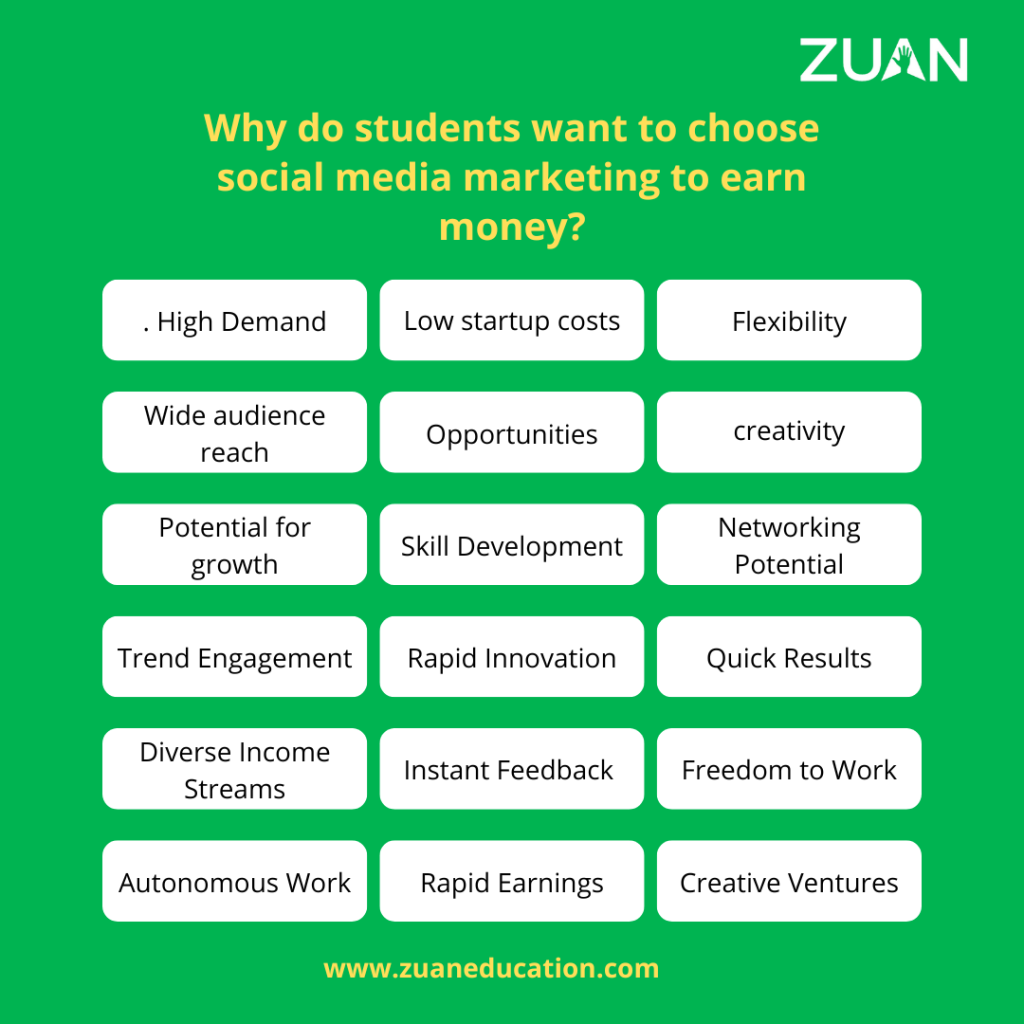
1. High Demand: Social media marketing is a rapidly growing field with a strong demand for skilled professionals, offering numerous job opportunities and career growth potential.
2. Low startup costs: You can begin with a phone and internet connection.
3. Flexibility: Work from anywhere and set your schedule.
4. Wide audience reach: Platforms like Instagram and Facebook have millions of users.
5. Opportunities for creativity: You can experiment with different content formats.
6. Potential for growth: Earnings can increase over time with the right strategies
7. Skill Development: Social media marketing helps students develop valuable skills in digital communication, analytics, and customer engagement that are applicable across various industries.
8. Networking Potential: Working in social media marketing allows students to connect with influencers, brands, and other professionals, expanding their professional network and opening doors to future opportunities.
9. Trend Engagement: Social media marketing keeps students at the forefront of digital trends and cultural movements, allowing them to stay current and relevant in a fast-evolving field.
10. Rapid Innovation: Social media platforms frequently update their features, keeping students engaged with the latest digital trends and technologies.
What should you know to become skilled in social media marketing?
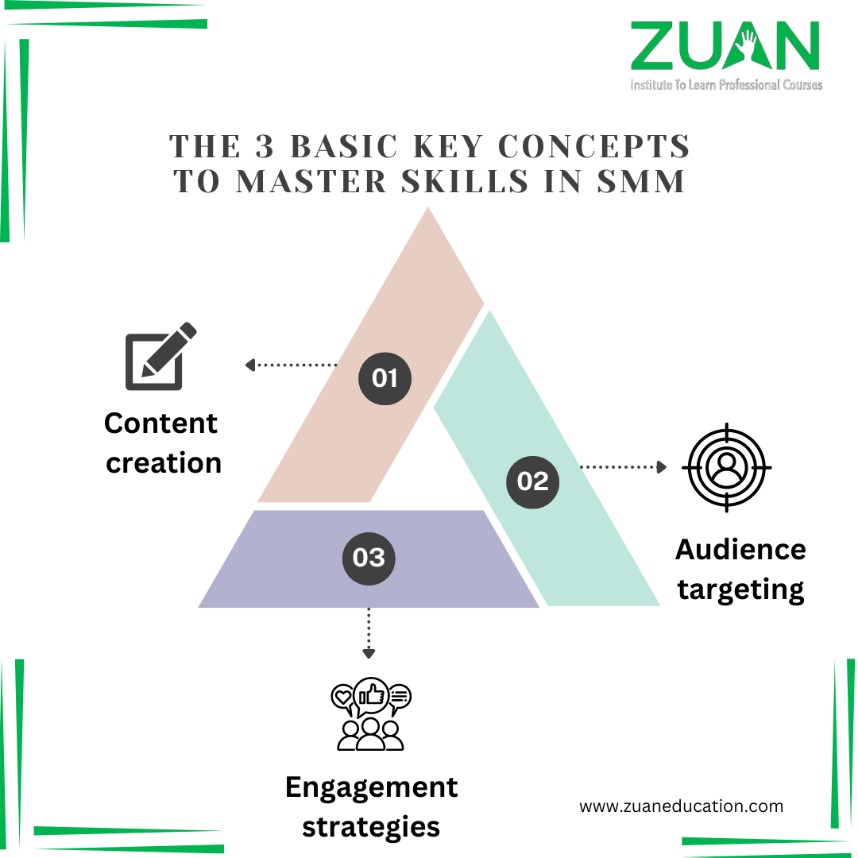
To excel in social media marketing, you should understand key concepts such as content creation, audience targeting, and engagement strategies. Additionally, staying updated with the latest trends and algorithms of social media platforms is crucial for maximizing your effectiveness.
Content creation in social media marketing involves producing engaging and relevant material to attract and retain your audience.
For example, a fitness brand might create workout videos and health tips to engage followers on Instagram. By consistently delivering valuable content, you can build a loyal audience, which can be monetized through sponsored posts, affiliate marketing, or selling products and services directly.
Audience targeting in social media marketing means identifying and reaching the specific group of people who are most likely to be interested in your product or service.
For instance, a skincare company might target ads to women aged 25-40 who follow beauty influencers on Facebook. Effective targeting ensures that your ads reach potential customers, increasing the likelihood of engagement and conversions, which can drive sales and revenue.
Engagement strategies in social media marketing involve interacting with your audience to build relationships and encourage active participation.
For example, running a giveaway contest on Instagram can boost interaction by encouraging followers to like, comment, and share your posts. High engagement increases your content’s visibility and can attract more potential customers, leading to higher sales and revenue opportunities
The important point in social media:
The most important part of social media marketing is Content Creation and Engagement. High-quality, engaging content grabs attention, builds brand loyalty, and encourages interaction, while active engagement (likes, comments, and shares) fosters community and drives organic growth. Comments and Shares are crucial in social media marketing because they directly impact engagement and reach:
Comments: They create a two-way interaction between the brand and the audience, building a sense of community and trust. Comments also boost visibility in social media algorithms, making your content appear more frequently in feeds.
Did you know? Posts with at least 10 comments receive 50% more engagement overall. And also Brands that actively respond to comments see a 25% increase in customer loyalty.
Tips for Getting Comments:
- Ask Questions: Try ending your posts with a question. For example, how do you feel about this? It prompts individuals to share their views.
- Use Polls: Everyone loves a quick poll! It’s a fun way to get people involved without asking too much of them.
- Share Your Story: Be personal! Sharing your own experiences can make others feel comfortable sharing theirs too.
- Stir Up Some Discussion: Post something controversial (but stay on brand!) to spark conversation. Just make sure to handle any debates respectfully.
Shares: When users share your content, it extends your reach to their network, increasing brand exposure and credibility. Shared content often acts as a personal endorsement, which can significantly influence others’ perceptions and drive more traffic to your page or website.
Did you know? Content that resonates emotionally (e.g., funny or inspirational) is 40 times more likely to be shared. Also, Content that gets shared has the potential to reach 5 times more users than content that isn’t shared.
Tips for Getting Shares:
- Create Eye-Catching Content: Make sure your posts are visually appealing. Great graphics or fun videos are more likely to be shared.
- Run Contests: Offer a little prize for sharing your post. Who doesn’t love free stuff?
- Use Hashtags: Adding the right hashtags can help your posts get discovered, making it easier for people to share them.
- Ask for Shares: Sometimes, a simple “If you found this helpful, please share it!” can do wonders.
HASHTAGS:
Hashtags are important in social media marketing because they help categorize content, making it easier for users to discover your posts.
For example, using hashtags like #DigitalMarketingTips on Twitter or Instagram can increase the visibility of your content to users searching for those topics.
Tip: Use a mix of popular and niche hashtags to reach both broad and targeted audiences.
Fact: Posts with at least one hashtag have 12.6% more engagement than those without.
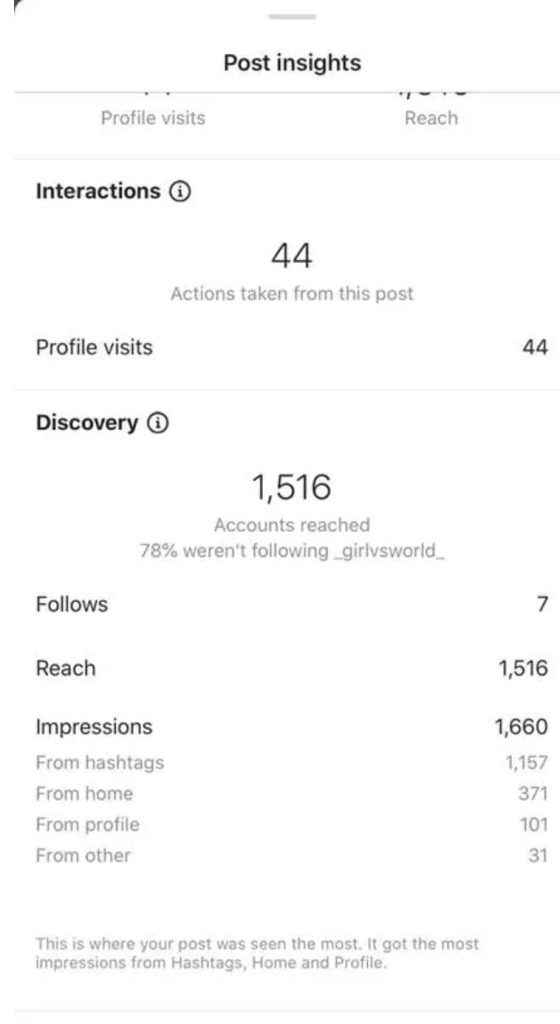
Here are some tips for using hashtags to grow your social media followers:
1. Stick to the Topic: Use hashtags that match what you’re posting about. For example, if you’re sharing a study tip, use hashtags like #StudyHacks or #ExamTips.
2. Mix It Up: Combine popular hashtags (#Study) with less common ones (#MathTipsForHighSchool) to reach a wider audience.
3. Create a Unique Hashtag: Make up your hashtag for your posts. For instance, if you’re sharing daily study tips, use something like #DailyStudyDose.
4. Check What’s Trending: Look at what hashtags are popular right now and use those if they fit your post.
5. Use hashtags wisely: Stick to 5-10 per post to keep things clean. Excessive hashtags can make your post appear messy.
6. Follow and Interact: Follow hashtags that interest you and engage with posts under those hashtags. It can help you get noticed by people with similar interests.
Incorporating these strategies can help you reach a larger, more engaged audience on social media.
SOCIAL MEDIA MARKETING TYPES:
Here’s a brief overview of each concept related to social media content and how one can start earning from them, along with some tools:
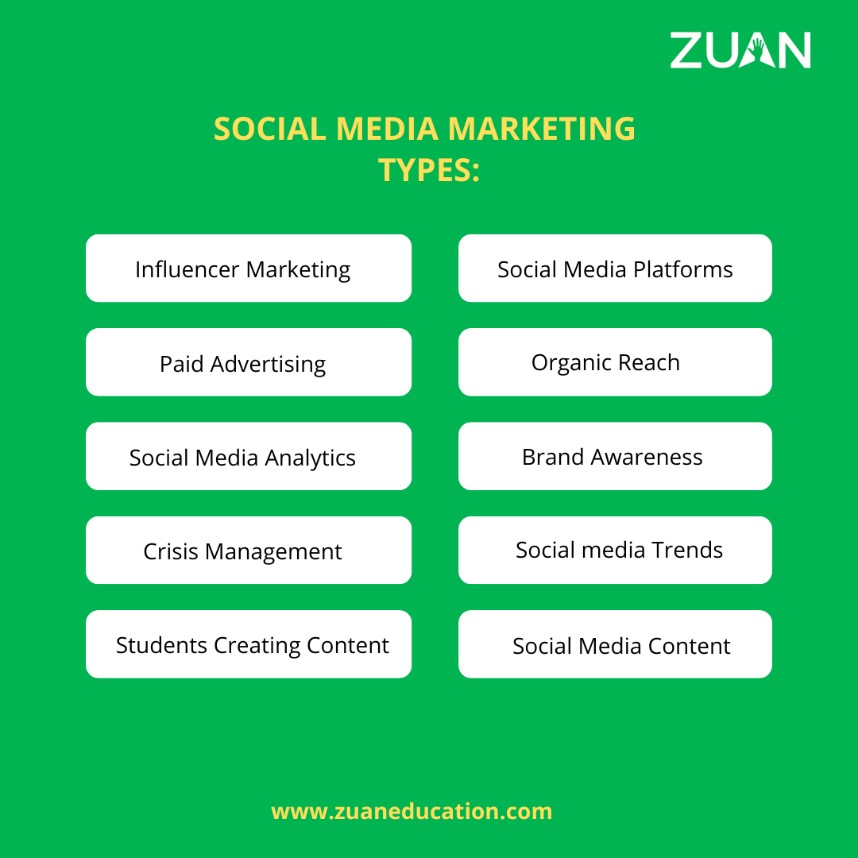
1. Influencer Marketing: Collaborating with influencers to promote products/services. Start by building a niche audience and reaching out to brands for partnerships.
Tools: HypeAuditor, AspireIQ.
2.Social Media Platforms: Channels like Instagram and Facebook where content is shared. Start by choosing the platform that aligns best with your audience.
3.Paid Advertising: Paying for ads to promote content. Start with small budgets to test audience reactions and adjust as needed.
Tools: Facebook Ads Manager, Google Ads.
4.Organic Reach: Gaining views and engagement without paid promotion. Prioritize creating content that is both valuable and shareable.
Tools: Social Blade, Insights.
5. Social Media Analytics: Tracking and analyzing performance metrics. Start by monitoring engagement rates and adjusting strategies accordingly.
Tools: Google Analytics, Sprout Social.
6. Brand Awareness: Increasing public knowledge of a brand. Create memorable content that reflects your brand identity.
7. Crisis Management: Handling negative feedback or PR issues. Have a plan ready and respond promptly and professionally.
Tools: Reputation.com, Meltwater.
8. Social media Trends: Popular topics or challenges online. Keep up with the latest trends and integrate them into your content strategy.
Tools: BuzzSumo, TrendSpottr.
9. Students Creating Content: Students can monetize niche content (e.g., educational, lifestyle). Start by targeting fellow students and using relatable content.
10. Social Media Content: Visuals, text, videos posted to engage audiences. Start by planning a content calendar and using a mix of content types.
To start earning from social media, focus on building a niche audience, creating consistent content, and leveraging monetization strategies like affiliate marketing, sponsored posts, or selling digital products.
INCREASING INCOME:
As of 2024, over 5 billion people globally are active social media users, accounting for approximately 62.3% of the world’s population. It’s estimated that over 200 million individuals earn money from social media platforms. Now is your time to take advantage of this trend—you can also earn money online in an easy way! There are numerous career opportunities available, offering high salaries, even for freshers and students.
CAREER OPPORTUNITIES:
NOTIED: Please note that these job opportunities are for students and freshers. For experienced professionals, salaries will be higher based on the role and your experience.
| Job Role | Job Description | India Salary (Monthly) | USA Salary (Yearly) |
|---|---|---|---|
| Social Media Intern | Assists with content creation, scheduling posts, and engaging with followers. | ₹15,000 – ₹25,000 | $15 – $25 per hour |
| Content Creator | Develops engaging videos, graphics, and written content tailored for social media audiences. | ₹20,000 – ₹40,000 | $35,000 – $55,000 |
| Social Media Manager | Oversees social media accounts, creates strategies, and analyzes engagement metrics. | ₹30,000 – ₹60,000 | $45,000 – $65,000 |
| Digital Marketing | Supports digital marketing campaigns, including email marketing, SEO, and social media ads. | ₹20,000 – ₹40,000 | $35,000 – $50,000 |
| Community Manager | Manages online communities, responds to comments, and builds relationships with followers. | ₹25,000 – ₹50,000 | $40,000 – $60,000 |
| Brand Ambassador | Promotes a brand through personal social media accounts, often part-time and commission-based. | ₹10,000 – ₹30,000 | $12 – $25 per hour |
| Graphic Designer | Creates visuals for social media posts, ads, and campaigns. | ₹20,000 – ₹45,000 | $40,000 – $60,000 |
| SEO Specialist | Optimizes content for search engines through keyword research and analysis. | ₹25,000 – ₹50,000 | $45,000 – $65,000 |

